The Timeless Art of Zero-Waste Cooking: Why Asparagus Peels Deserve a Second Life
In an era increasingly focused on sustainability and mindful consumption, the art of utilizing every part of a food item is experiencing a well-deserved resurgence. Once a cornerstone of thrifty household management, this wisdom, often found in forgotten cookbooks and passed down through generations, has unfortunately faded for many in the age of pre-packaged convenience. Yet, the philosophy of "nose-to-tail" or "root-to-tip" cooking offers not only environmental benefits but also unlocks surprising depths of flavor and culinary potential.
Nowhere is this more evident than with asparagus, the revered "white gold" of spring. After carefully peeling those tender stalks, many home cooks are left with a pile of seemingly useless scraps. But for those in the know, these peels and woody ends are far from waste; they are the secret ingredient to a profoundly delicious and aromatic starter:
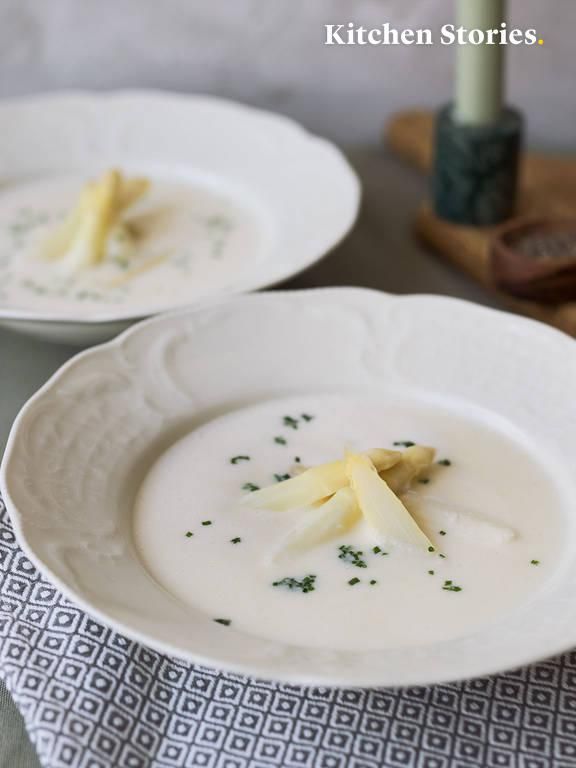
Spargelcremesuppe Aus Schalen, or creamy asparagus soup made from peels. This isn't just a frugal choice; it's a journey into making an incredibly flavorful additional course that celebrates the very essence of asparagus, proving that true culinary artistry lies in transforming the humble into the extraordinary.
Embracing this traditional approach means more than just saving money; it's about respecting our food, enhancing flavors, and rediscovering a connection to culinary heritage. This article will guide you through mastering this classic, ensuring your soup is rich, creamy, and utterly free from the dreaded bitterness, along with practical advice on how to store this seasonal delight for future enjoyment. For more insights into this culinary gem, explore
Zero-Waste Delight: Make Creamy Asparagus Soup From Peels.
Crafting the Perfect Asparagus Peel Stock: The Key to Bitterness Prevention
The foundation of any exceptional
Spargelcremesuppe Aus Schalen lies in a perfectly prepared, non-bitter stock. This is where most recipes either shine or falter, as the delicate balance of extracting flavor without bitterness is paramount.
Selecting Your Asparagus Peels: Quality Matters
Before you even start, the quality of your asparagus peels is crucial. It’s highly recommended to use peels from regionally sourced or organic asparagus. Why? Imported asparagus can sometimes be treated with pesticides that you wouldn't want to leach into your stock. Furthermore, if the original asparagus wasn't bitter, your soup won't be either. Clean your asparagus thoroughly before peeling.
The Golden Rule: Timing is Everything
The most critical factor in preventing bitterness is cooking time. Asparagus contains bitter compounds that, while appealing in moderation, become overpowering if over-extracted.
* **Preparation:** Gather your asparagus peels and woody ends. It's helpful to press them down slightly in a medium-sized pot with a lid; this allows you to use less water, concentrating the flavor.
* **The Simmer:** Cover the peels with *cold* water. Bringing them to a boil from cold water helps a gradual extraction of flavors. Once it reaches a boil, reduce the heat, cover the pot, and let it simmer for **no longer than 20-30 minutes**. Many traditional recipes, including "Oma's secret," emphasize a maximum of 20 minutes to absolutely safeguard against bitterness. Beyond this timeframe, the chances of bitter compounds dominating your stock increase significantly.
* **Beyond the Peels:** If you're also cooking the asparagus stalks for a main dish, don't discard that cooking water! This liquid is infused with exquisite asparagus flavor and should be added to your peel stock. It enriches the broth beautifully, contributing to the approximate 1 liter of delicious liquid you'll need for your soup.
* **Straining:** Once your stock has simmered for the appropriate time, strain it thoroughly, discarding the cooked peels. You now have a fragrant, delicate asparagus broth, ready to be transformed into a creamy soup.
From Stock to Creamy Delight: A Step-by-Step Recipe for Spargelcremesuppe Aus Schalen
With your perfectly prepared asparagus stock in hand, it's time to elevate it into a rich and creamy
Spargelcremesuppe Aus Schalen. This process typically involves creating a roux (
Mehlschwitze in German) and then gradually incorporating the stock.
Ingredients (Approximate, Adjust to Taste):
* 1 liter asparagus peel stock (as prepared above)
* 2-3 tablespoons unsalted butter
* 2-3 tablespoons all-purpose flour
* Salt to taste
* 1 pinch sugar (balances bitterness, enhances natural sweetness)
* 1-2 teaspoons fresh lemon juice (brightens flavors)
* A grate of fresh nutmeg (adds warmth and complexity)
* Optional: A splash of heavy cream or crème fraîche
* Optional: Reserved cooked asparagus tips or pieces for garnish
* Optional: Fresh chives or parsley for garnish
Instructions:
1. **Prepare the Roux (Mehlschwitze):** In a separate saucepan or casserole (the same one you used to cook asparagus pieces if available), melt the butter over medium heat. Once melted and bubbling gently, sprinkle in the flour. Whisk continuously for 1-2 minutes until a smooth, light-colored paste (a blonde roux) forms. Do not let it brown too much, as this will alter the soup's color and flavor.
2. **Gradually Add Stock:** Slowly pour the warm, strained asparagus peel stock into the roux, whisking vigorously the entire time. This gradual addition prevents lumps and ensures a silky-smooth consistency. Continue whisking until the mixture is fully combined and smooth.
3. **Simmer and Thicken:** Bring the soup to a gentle simmer, stirring occasionally. Let it cook for about 10-15 minutes, allowing the flour to cook out and the soup to thicken to your desired consistency. If it's too thick, add a little more water or vegetable broth. If too thin, you can simmer longer or whisk in a tiny bit more flour slurry (flour mixed with cold water).
4. **Season to Perfection:** This is a crucial step for achieving the balanced, signature flavor of a true
Spargelcremesuppe Aus Schalen.
* Start with salt, seasoning gradually.
* Add a pinch of sugar; this doesn't make the soup sweet but rather enhances the asparagus's natural flavor and subtly cuts through any underlying bitterness.
* Stir in the fresh lemon juice. The acidity provides a wonderful brightness that lifts the entire soup.
* Finish with a grate of fresh nutmeg, which adds a warm, earthy aroma that complements asparagus beautifully.
* Taste and adjust seasonings as needed. Remember, balance is key!
5. **Optional Refinements:**
* For an extra luxurious texture, stir in a splash of heavy cream or crème fraîche at the very end, just before serving. Do not boil vigorously after adding cream.
* If you saved any cooked asparagus pieces from your main meal, add them to the soup now to heat through, or use them as a delightful garnish.
* Serve hot, garnished with fresh chives, parsley, or crispy croutons.
This simple yet elegant recipe embodies the spirit of Oma’s kitchen – taking humble ingredients and transforming them into a cherished dish. For another take on classic, creamy asparagus soup, read
Oma's Secret Recipe: Classic Creamy Asparagus Soup from Peels.
Preserve the Flavor: Freezing Your Asparagus Peel Soup for Future Enjoyment
One of the great advantages of making a large batch of
Spargelcremesuppe Aus Schalen is its freezer-friendliness. This allows you to savor the delicate flavors of spring asparagus long after the season has passed.
Freezing Guidelines:
* **Cool Completely:** Before freezing, ensure your soup has cooled down completely to room temperature. Freezing hot soup can lower the temperature of your freezer and affect other items.
* **Omit the Egg:** If your recipe involves adding an egg yolk (often tempered with cream) for extra richness or binding, *do not* add it before freezing. Soups with egg tend to become clumpy or separate upon thawing and reheating, compromising the smooth, creamy texture. Add an egg liaison fresh after reheating, if desired.
* **Portioning:** Divide the soup into individual or family-sized portions in airtight, freezer-safe containers or heavy-duty freezer bags. Leave a little headspace in containers as liquids expand when frozen.
* **Labeling:** Label each container with the date. Properly stored, asparagus peel soup can maintain its quality in the freezer for up to 3-4 months.
* **Thawing and Reheating:** When ready to enjoy, thaw the soup overnight in the refrigerator or gently reheat it from frozen on the stovetop over low heat, stirring frequently. Add a splash of water or broth if it seems too thick. Adjust seasonings if necessary after reheating.
This foresight allows you to enjoy a taste of spring’s bounty even in the depths of winter, making your efforts even more rewarding.
In conclusion, mastering
Spargelcremesuppe Aus Schalen is a testament to resourceful cooking and a celebration of flavor. By understanding the simple rules of stock preparation, particularly the critical cooking time for peels, and applying classic culinary techniques, you can transform what would otherwise be discarded into a star-worthy dish. This creamy, aromatic soup is not just a delicious starter; it's a flavorful reminder of culinary tradition, sustainability, and the profound satisfaction of truly utilizing every part of our ingredients. Give it a try this asparagus season – your taste buds, and perhaps even Oma, will thank you.